A home office should feel like a space that encourages focus, creativity, and efficiency. It’s not just about having a desk and chair but about shaping an environment that supports different work styles, energy levels, and daily habits. A workspace that feels natural to work in makes productivity effortless while reducing distractions.
Home office – a workspace that adjusts to different tasks
Not every task requires the same level of concentration. Some demand deep focus, while others benefit from movement and variety. A home office should allow flexibility, making it easy to shift between different types of work.
✔ A dedicated focus zone – a quiet, clutter-free area for tasks requiring full concentration
✔ Alternative workspaces – a secondary spot, such as a reading chair or standing desk, to break up long periods of sitting
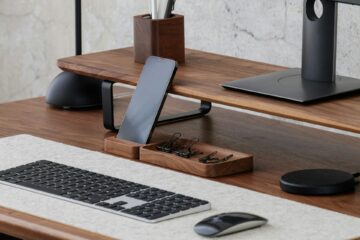
✔ A flexible desk layout – moveable elements, like an adjustable monitor arm or modular storage, allow quick customisation
A static setup can feel restrictive, while a workspace that adjusts to different needs keeps energy levels steady and reduces mental fatigue.
Lighting and workspace clarity
The way light is used in a home office directly affects energy and focus. A poorly lit workspace can cause eye strain and fatigue, while an overlit environment can feel harsh and uncomfortable.
✔ Natural light positioning – a desk placed near a window increases alertness and creates a more dynamic workspace
✔ Adjustable lighting – task lighting for reading, soft ambient lighting for relaxed work, and cool white light for high-focus tasks
✔ Strategic decor – a balance between personal touches and an organised space prevents distractions while maintaining inspiration
A workspace should feel intentional, offering enough visual interest to feel inviting without becoming overwhelming.
Sound control for better concentration
Noise is a major factor in focus. Too much background noise can make deep work impossible, while complete silence may feel unnatural. Creating a home office with the right acoustic setup helps regulate concentration.
✔ Background noise management – white noise, nature sounds, or instrumental music can improve focus
✔ Soundproofing elements – soft furnishings, curtains, or acoustic panels reduce external distractions
✔ Work mode cues – using different sounds for different tasks can help establish mental transitions between work and rest
Sound plays a crucial role in setting the tone for a productive work session. The right balance can make long hours at the desk more comfortable.
Home office – keeping energy levels steady throughout the day
A home office should support natural energy cycles rather than drain them. Many people experience dips in focus, which are often linked to workspace setup rather than workload.
✔ Movement-friendly design – standing desks, balance boards, or simply a layout that encourages getting up frequently prevents sluggishness
✔ Air quality and ventilation – fresh air circulation keeps the space from feeling stale, improving concentration
✔ Workspace scents – subtle aromas, like citrus or peppermint, help maintain focus, while lavender or sandalwood can be useful for winding down
Small adjustments can make a home office feel more dynamic, preventing the mid-day drop in productivity.
Separating work and personal life without a dedicated office
One of the biggest challenges of working remotely is maintaining boundaries between professional and personal time. Even without a separate room, it’s possible to create distinctions that help signal when work begins and ends.
✔ Clear work zone definition – using a specific desk, table, or corner as a work-only area reinforces structure
✔ End-of-day routines – shutting down the laptop, changing clothes, or stepping outside creates a mental transition
✔ Physical workspace resets – tidying up the desk or moving items out of sight after work hours helps separate work and home life
Even small routines can prevent the feeling of always being „at work” when working remotely.
Adjusting a home office over time
A home office should evolve alongside changing work habits. The same setup may not always be the most effective, so regularly reassessing how the space feels can help maintain long-term productivity.
✔ Seasonal workspace adjustments – repositioning the desk for better light in winter, adding a fan in summer, or updating the chair for more comfort
✔ Equipment upgrades – improving ergonomics with better support, a larger screen, or an adjustable desk
✔ Workspace refreshes – rearranging furniture, adding a new shelf, or switching up decor can make a familiar space feel new again
A workspace that grows with changing needs stays functional, comfortable, and suited to the way work naturally flows.